


Amino Acid Powder
What Is Amino Acid Powder
Amino acid powder is a dietary supplement that contains a concentrated form of amino acids, the building blocks of proteins that are essential for muscle growth and repair. It comes in powder form and is usually mixed with water or another beverage before consumption. Amino acid powders may contain a variety of different amino acids, often including essential amino acids like leucine, isoleucine, and valine, as well as non-essential amino acids like glutamine and arginine. They are commonly used by athletes, bodybuilders, and fitness enthusiasts to support muscle growth, improve performance, and aid recovery after exercise.
Advantages of Amino Acid Powder
Promotes muscle growth
Amino acids are the building blocks of proteins, which make up our muscle tissue. Consuming amino acids in powder form can aid in muscle growth and repair.
Enhances exercise performance
Amino acids help to reduce muscle fatigue and improve stamina, leading to optimal exercise performance. This is because amino acids help to decrease the buildup of lactic acid in the muscles during physical activity.
Boosts immune function
Amino acid powders contain glutamine, which plays an important role in supporting immune function. Glutamine can help to improve the function of immune cells and reduce inflammation, leading to a stronger immune response.
Regulates hormones
Amino acids help to regulate hormone levels in the body, leading to improved mood and cognitive function. Amino acid powders can aid in hormone regulation, leading to improved overall health and wellbeing.


As the global population aging problem becomes prominent, healthcare industry related to aging continues to grow, and will still maintain good growth in the future. The industrial chain of China's health industry is in a stage of rapid development. And the healthcare foods, medicinal makeup, and functional daily necessitiesteam are the main products of healthcare industry , which has grown rapidly.
Why Choose Us
Custom Service
With a large product line, we are able to meet customer needs by offering a full range of Plant Extracts & Natural Active Ingredients, APIs, Vitamins, Amino Acids, Nutrition Supplements, etc.
Certification
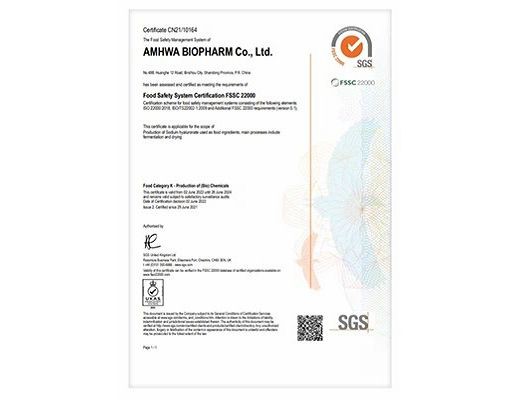
The company's food quality and safety management system, based on cGMP and FSSC22000 standards, has obtained certifications including FSMA, GFSI, Kosher, Halal, as well as certifications for quality, environment, and occupational safety and health management systems.
One-Stop Service
We uniquely support our customers by integrating resources and creating custom solutions to solve manufacturing problems. We aim to be your "One Stop" provider for all your needs. Miracle Biotech is committed to offering materials to potential customers only after our ideas and suggestions have proven to be helpful and preferable to them.
Professional Team
We are one of the leading manufacturers and suppliers in China of Amino Acid Powder, Vitamin Powder, Plant Extract Powder, and Nutritional Materials. Our factory has rich experience and expertise in this field.
DL methionine powder
DL methionine powder refers to a synthetic amino acid supplement that is commonly used in animal feed. It is a source of sulfur-containing amino acids and it plays an important role in the growth and development of animals, as well as in the maintenance of their overall health. It is particularly important for poultry, as it helps to improve their feather quality and overall growth. DL Methionine Powder is also sometimes used as a dietary supplement for humans to support liver function, improve skin, hair, and nail health, and support overall immune system function.
L leucine powder
L-leucine is an essential amino acid that is found in many foods and is important for muscle repair and growth. It can also be taken as a dietary supplement in the form of a powder, which is commonly used by athletes and bodybuilders to support muscle growth and recovery. L-Leucine powder is tasteless and can be added to smoothies, protein shakes, or other beverages.
L arginine powder
L-arginine powder is a dietary supplement that contains the amino acid arginine, which is essential for nitric oxide synthesis. Nitric oxide is a molecule that helps to relax and dilate blood vessels, allowing for improved blood flow. L-Arginine Powder is commonly used by athletes and bodybuilders to enhance performance and improve muscle growth, as well as by individuals with cardiovascular conditions or erectile dysfunction. It is available in a variety of forms, including capsules, tablets, and powder.
BCAA powder
Branched chain amino acid (BCAA) powder is a dietary supplement that contains three essential amino acids: leucine, isoleucine, and valine. These amino acids are important for muscle growth, recovery, and repair. BCAA powder is commonly consumed by athletes and bodybuilders to help improve their performance, reduce muscle soreness, and support muscle protein synthesis. It can be mixed with water or other drinks and taken before, during, or after exercise.
Glycine powder
Glycine powder is a supplement that contains the amino acid glycine. It is commonly used as a dietary supplement to support overall health and well-being. Glycine is an important amino acid that plays a role in many bodily functions, such as neurotransmitter production, protein synthesis, and energy metabolism. It can be found naturally in many foods, including meat, fish, dairy, and legumes, but is also available in supplement form for those who may need a higher dosage. Glycine powder is easily absorbed by the body and can be mixed into water, juice, or smoothies for easy consumption.
How to Choose Amino Acid Powder
Types of amino acids
Amino acids are divided into essential and non-essential categories. Essential amino acids cannot be produced by the body and must be obtained through diet or supplements. Non-essential amino acids are produced by the body. Look for an amino acid powder that has all nine essential amino acids, as they are critical for muscle growth and recovery.
Source of amino acids
The source of amino acids in the powder can vary. It can be derived from plant or animal-based protein sources, such as whey, soy, or rice. The source can impact the quality and absorption of the powder, and it is crucial to choose one that is easy to digest and absorb.
Quality and purity
The quality and purity of the amino acid powder are essential factors to consider. This ensures that the product is free from contaminants and meets the purity standards.
Personal goals
Lastly, the type of amino acid powder you choose will depend on your personal goals and lifestyle. For instance, if you are a vegetarian or follow a vegan diet, you may want to choose a plant-based amino acid powder. If you are an endurance athlete, consider a powder that contains more branched-chain amino acids to improve endurance and reduce fatigue.
Application of Amino Acid Powder

Sports and fitness
Amino acid powder is widely popular among athletes and bodybuilders due to its ability to improve endurance, reduce fatigue, and aid muscle recovery.
Weight loss
Amino acids play a crucial role in maintaining optimal metabolism and energy levels, making amino acid powders an excellent supplement for people looking to lose weight.
Immune support
Amino acid powder contains several essential amino acids that are vital for maintaining a healthy immune system.
Cognitive health
Amino acids, such as tryptophan and tyrosine, are known to improve memory and cognitive function and are commonly found in amino acid supplements.
Wound healing
Amino acid powder is often added to wound dressings to support the healing process, helping to reduce inflammation and promote tissue regeneration.
Skin health
Amino acids, such as collagen, play a significant role in maintaining healthy skin, making amino acid powder a popular supplement for skin health.
Gastrointestinal health
Amino acid powders containing glutamine and other essential amino acids are known to support gastrointestinal health by reducing inflammation and promoting healing.
Common ingredients of Amino Acid Powder
Essential amino acids: Amino acids that cannot be synthesized by the body and need to be obtained through the diet. These include leucine, isoleucine, valine, lysine, methionine, phenylalanine, threonine, and tryptophan.
Non-essential amino acids: Amino acids that can be synthesized by the body. These include alanine, arginine, aspartic acid, cysteine, glutamic acid, glycine, histidine, proline, serine, and tyrosine.
Branch chain amino acids (BCAAs): Leucine, isoleucine, and valine are BCAAs that are important for muscle protein synthesis and energy production during exercise.
Glutamine: Non-essential amino acid that plays a role in immune function, muscle protein synthesis, and intestinal health.
Arginine: Non-essential amino acid that promotes vasodilation and increased blood flow to the muscles during exercise.
Taurine: Non-essential amino acid that is important for cardiovascular function and energy production.
Carnitine: An amino acid derivative that plays a role in energy production and fat metabolism.

Amino acid powder is used by the body primarily as a source of protein for muscle-building and repair. When consumed and broken down by digestive enzymes, amino acids are transported to muscles where they are used to synthesize new muscle tissue and repair damaged muscle fibers.
In addition to their role in building and repairing muscle tissue, amino acids also play a key role in a number of other bodily functions. They are essential building blocks for enzymes, hormones, and neurotransmitters, and are involved in processes such as energy production, immune function, and detoxification.
Certain amino acids are classified as "essential," which means that they cannot be produced by the body and must be obtained through the diet or supplementation. This makes amino acid powder a popular choice among athletes, bodybuilders, and fitness enthusiasts who may have higher protein requirements than the average person.
Amino acid powder can be consumed in a variety of ways, including mixing it with water or other beverages, blending it into smoothies or shakes, or adding it to food such as protein bars or baked goods.
Meat: Red meats such as beef, lamb, and pork are excellent sources of amino acids. Poultry, such as chicken and turkey, also provide high amounts of amino acids.
Seafood: Fish and shellfish are particularly rich in amino acids. Salmon, tuna, shrimp, and crab are all good sources.
Eggs: Both egg whites and yolks are abundant in amino acids. Eggs are often regarded as a complete protein with all essential amino acids.
Dairy: Cow's milk, cheese, and yogurt also contain significant amounts of amino acids. Whey protein, a popular supplement for building muscle, is derived from milk.
Beans and legumes: Plant-based sources of amino acids include lentils, chickpeas, black beans, and kidney beans.
Nuts and seeds: Almonds, pumpkin seeds, and chia seeds are all rich sources of amino acids.
Grains: Quinoa and oats are great options for plant-based amino acids.

Process of Amino Acid Powder
Raw material selection: The first step is selecting high-quality raw materials, such as vegetable proteins or animal-derived sources, such as meat, dairy, or egg whites. These raw materials are then inspected for quality and purity to ensure they are safe for consumption.
Hydrolysis: Next, the raw materials are hydrolyzed to break down the protein into smaller amino acid chains. This usually involves using heat and enzymes to break the peptide bonds between amino acids, resulting in a complex mixture of amino acids.
Filtration: The mixture of amino acids is then filtered to remove any impurities or undigested protein fragments remaining after hydrolysis.
Concentration: The filtered amino acid solution is then concentrated through a process, such as evaporation or freeze-drying, to remove excess water and create a highly concentrated amino acid powder.
Quality control: The final product is then tested for purity, nutritional content, and safety before being packaged and shipped for distribution. Quality control measures may include testing for heavy metals, microbiological contaminants, and other potential pollutants to ensure the product is safe for consumption.
The process of amino acid powder hydrolysis involves the breakdown of protein molecules into individual amino acids. This process is carried out through various methods such as enzymatic hydrolysis, acid hydrolysis, or alkaline hydrolysis.
Enzymatic hydrolysis involves the use of specific enzymes that break down the peptide bonds between amino acids. This method is preferred over other methods as it is more specific and results in a higher yield of individual amino acids.
Acid hydrolysis involves the use of strong acids such as hydrochloric acid or sulfuric acid to break down the protein molecules. This method is faster and more cost-effective but may result in the destruction of certain amino acids.
Alkaline hydrolysis involves the use of strong bases such as sodium hydroxide or potassium hydroxide to break down the protein molecules. This method is less commonly used as it may result in the formation of unwanted by-products.
After hydrolysis, the resulting amino acid mixture is purified through processes such as chromatography or crystallization to obtain pure individual amino acids. These amino acids are then used in various applications such as food supplements, pharmaceuticals, and cosmetics.
Things to Note When Using Amino Acid Powder
Know your goals
Before you start taking amino acid powder, it's important to know what you want to achieve. Different amino acid combinations can help with different goals, so make sure you choose the right product for your needs.
Follow the recommended dosage
Make sure you follow the recommended dosage instructions on the product label. Taking too much amino acid powder can cause unwanted side effects, such as digestive issues or kidney damage.
Time your intake
Amino acid powder is best taken on an empty stomach, about 30 minutes before a meal or workout. This helps your body absorb and utilize the amino acids more efficiently.
Stay hydrated
Amino acids require water to be transported and utilized by the body properly. Drinking plenty of water throughout the day can help you get the most out of your amino acid powder.
Be patient
Amino acid powders are not a magic solution, and it takes time to see results. Be patient and consistent with your intake, and you should start seeing the benefits within a few weeks.
Maintenance Tips for Amino Acid Powder

Store in a cool dry place: Amino acid powder should be stored in a cool, dry place away from direct sunlight. Exposure to heat and moisture can cause degradation of the amino acids and reduce their effectiveness.
Keep container tightly sealed: Ensure that the container is tightly sealed after use. Exposure to air can cause amino acids to break down and become ineffective.
Avoid exposure to moisture: Do not expose amino acid powder to moisture, as this can promote the growth of bacteria and cause the amino acids to degrade.
Use a clean, dry scoop: Always use a clean, dry scoop to measure the powder. Moisture from other sources can cause the amino acids to clump together and reduce effectiveness.
Check expiration date: Always check the expiration date on the container before using the powder. Expired supplements may be ineffective and potentially harmful to consume.
Do not mix with hot liquids: Do not mix amino acid powder with hot liquids, as this can cause the amino acids to break down and become ineffective.
Certifications



Our Factory
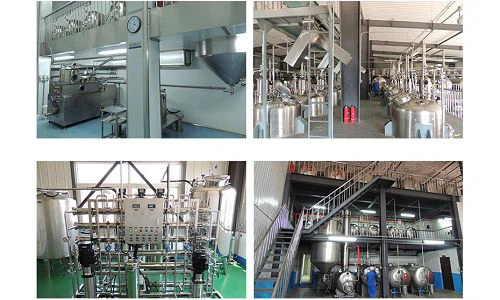
The Factories have Three of each 2,900 sq.m. of Production workshops for crystallization drying and packing which conform to the requirement of GMP and One 1,500 sq.m. multi-purpose Synthesis Workshops. We have equipment and facilities with capacity range: -78 centigrade degree~200 centigrade degree(temperature);0 kgs~100 kgs(pressure).The workshop has 20L,50L glass reactors, and series of 100L, 200L, 300L, 500L, 1000L, 2000L, 3000L glass-line and stainless steel reactors, our annual production capacity is approximately 2000 tons.


FAQ
Q: What is amino acid powder?
Q: How is amino acid powder made?
Q: What are the benefits of taking amino acid powder?
Q: What are the different types of amino acid powder?
Q: Can amino acid powder help with muscle growth?
Q: How much amino acid powder should I take?
Q: How long does it take for amino acid powder to work?
Q: Can amino acid powder improve athletic performance?
Q: Is amino acid powder suitable for vegans?
Q: What are branched-chain amino acids (BCAAs)?
Q: How do I take amino acid powder?
Q: Can I get amino acids from food?
Q: Can taking amino acids cause weight gain?
Q: Are BCAAs better than other amino acid powders?
Q: Can amino acid powder help with weight loss?
Q: How does amino acid powder affect brain function?
Q: Can amino acid powder improve skin health?
Q: Is amino acid powder good for overall health?
Q: How is amino acid powder different from protein powder?
Q: Is it OK to take amino acids everyday?
We're well-known as one of the leading amino acid powder manufacturers and suppliers in China. If you're going to buy or wholesale pure amino acid powder for sale, welcome to get more infomration from our factory. For price consultation, contact us.